R&D
We develop our technology across different areas of floating offshore wind, from early-stage research to validating solutions with potential for commercial deployment.

We turn DemoSATH data, European pilots and industrial collaboration into technical knowledge that reduces uncertainty and prepares SATH for commercial deployment.
We develop our technology across different areas of floating offshore wind, from early-stage research to validating solutions with potential for commercial deployment.
DemoSATH provides data on platform operations and maintenance and on how it coexists with the marine environment.
We work with industry, technology centres and research organisations through European, national and regional public funding programmes.
Control, O&M, materials, biodiversity, digitalisation and industrial scale-up.
LIDAR, coupled models, motion compensation and hydrodynamic analysis to improve yield and loads.
Monitoring, digital twins, predictive AI and techno-economic models for lower risk and operational cost.
Advanced concretes, coatings, fibres, local manufacturing, durability and serial production logistics.
NID, LBUs, aquaculture, eDNA, birds, bats, ROV and environmental data for coexistence by design.
Digital twins, sensors, lidar and artificial intelligence for analysing operational and design data.
Manufacturing, transport, port logistics and installation to prepare for commercial deployment.
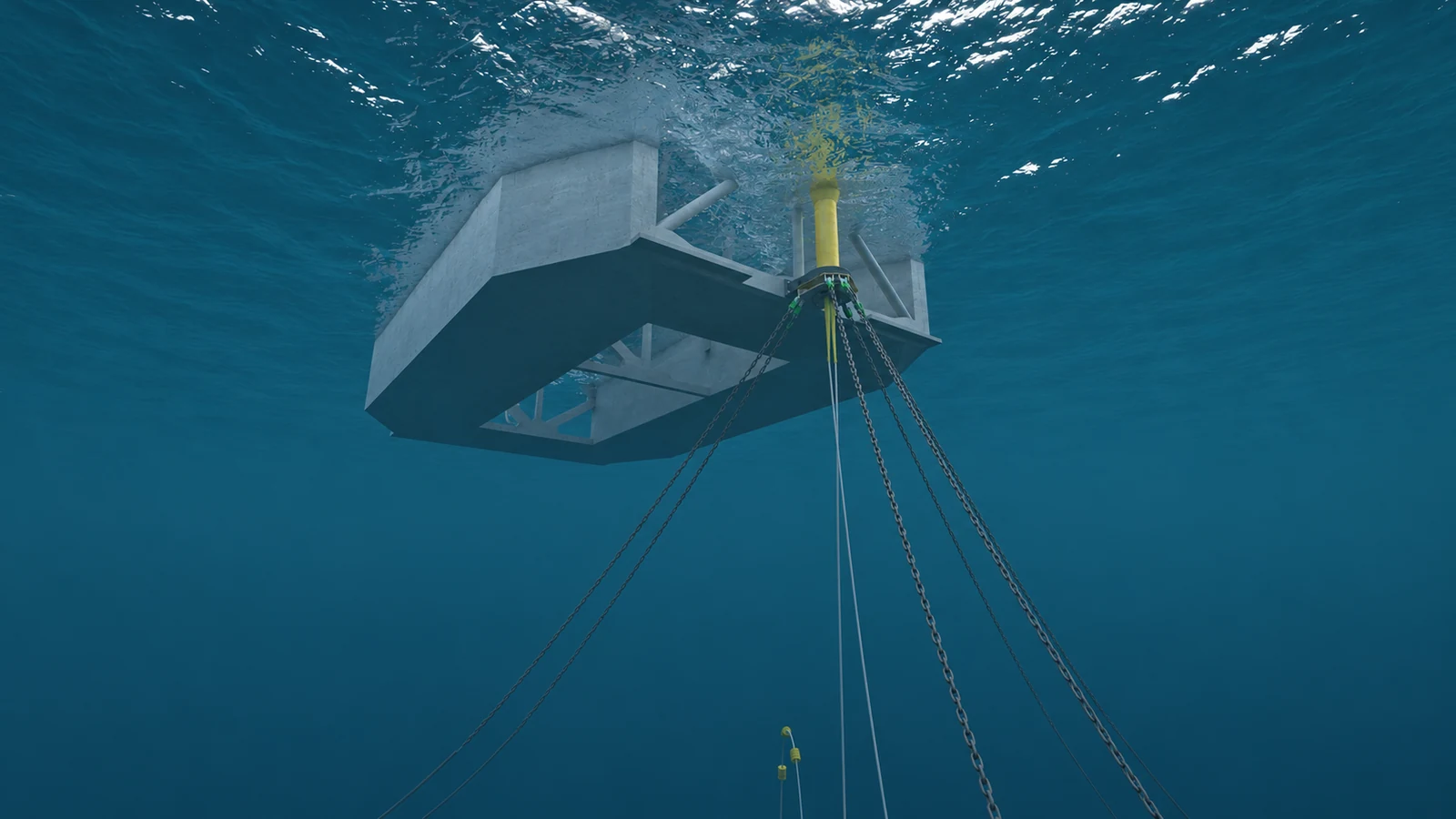
Research into new O&M solutions for critical floating wind components and advanced strategies to optimise their management
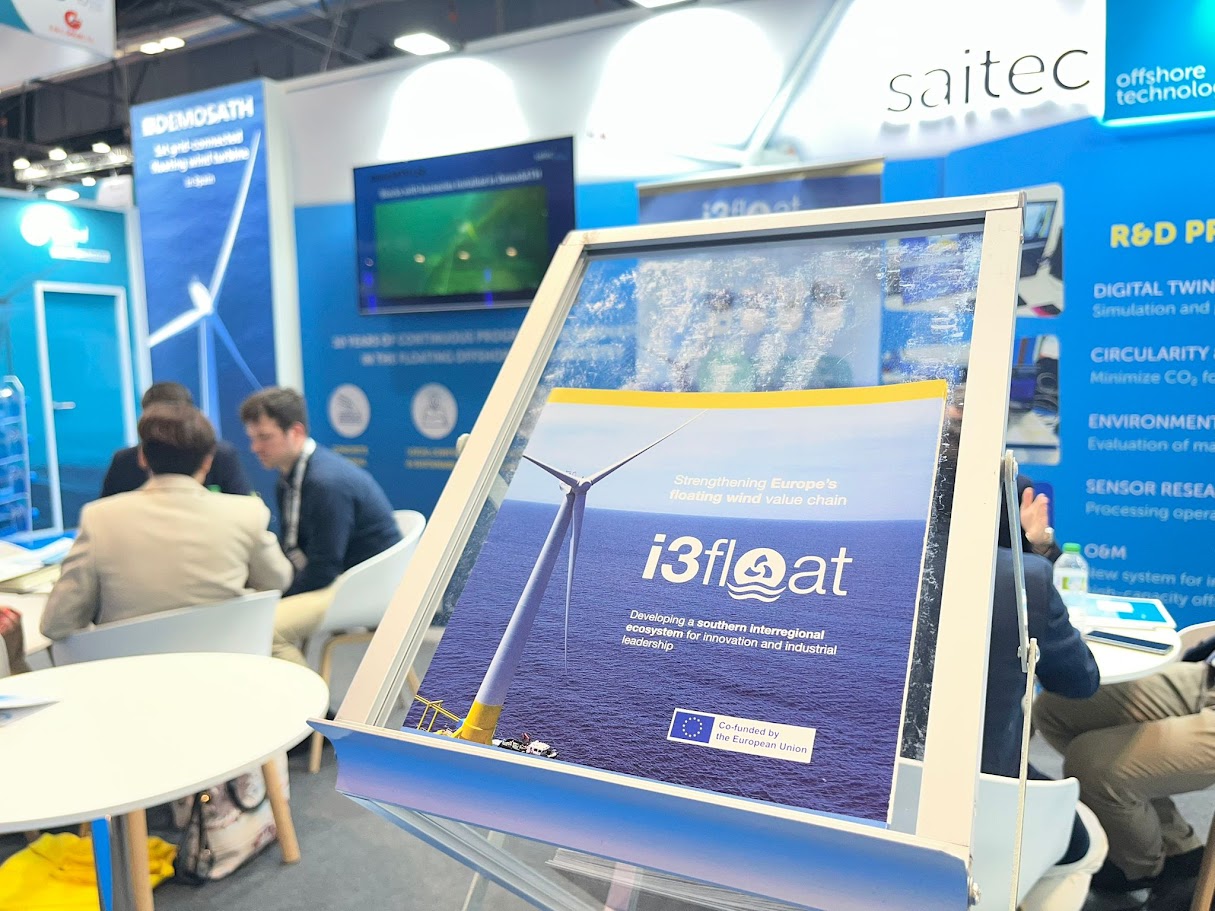
I3FLOAT is a European initiative that promotes interregional investment in innovation to strengthen the floating offshore wind value chain and bring new technologies to market sooner.
Pilot 1 · SATH technologySaitec and Saitec Offshore Technologies take part in testing electrical interconnection, performance prediction and materials for the SATH platform.
European project: strengthen the floating offshore wind value chain and help bring new technologies to market.
Pilot 1 · SATH: assess improvements in electrical interconnection, use a digital twin to predict platform behaviour and evaluate fibre-reinforced concrete.

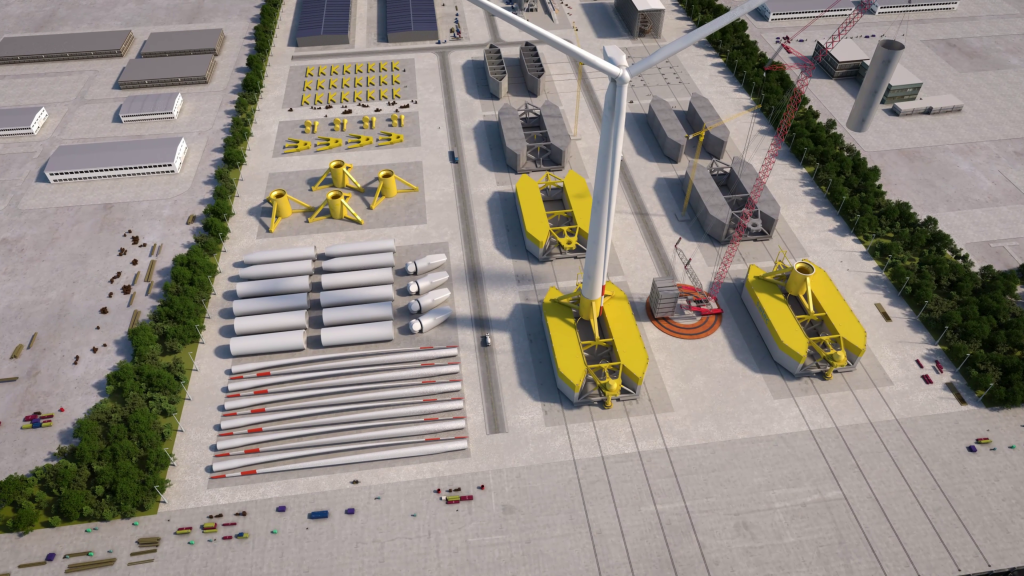
IN2FLOAT explores how to standardise floating wind platform designs and uses simulations to assess manufacturing, transport and installation options for series production.
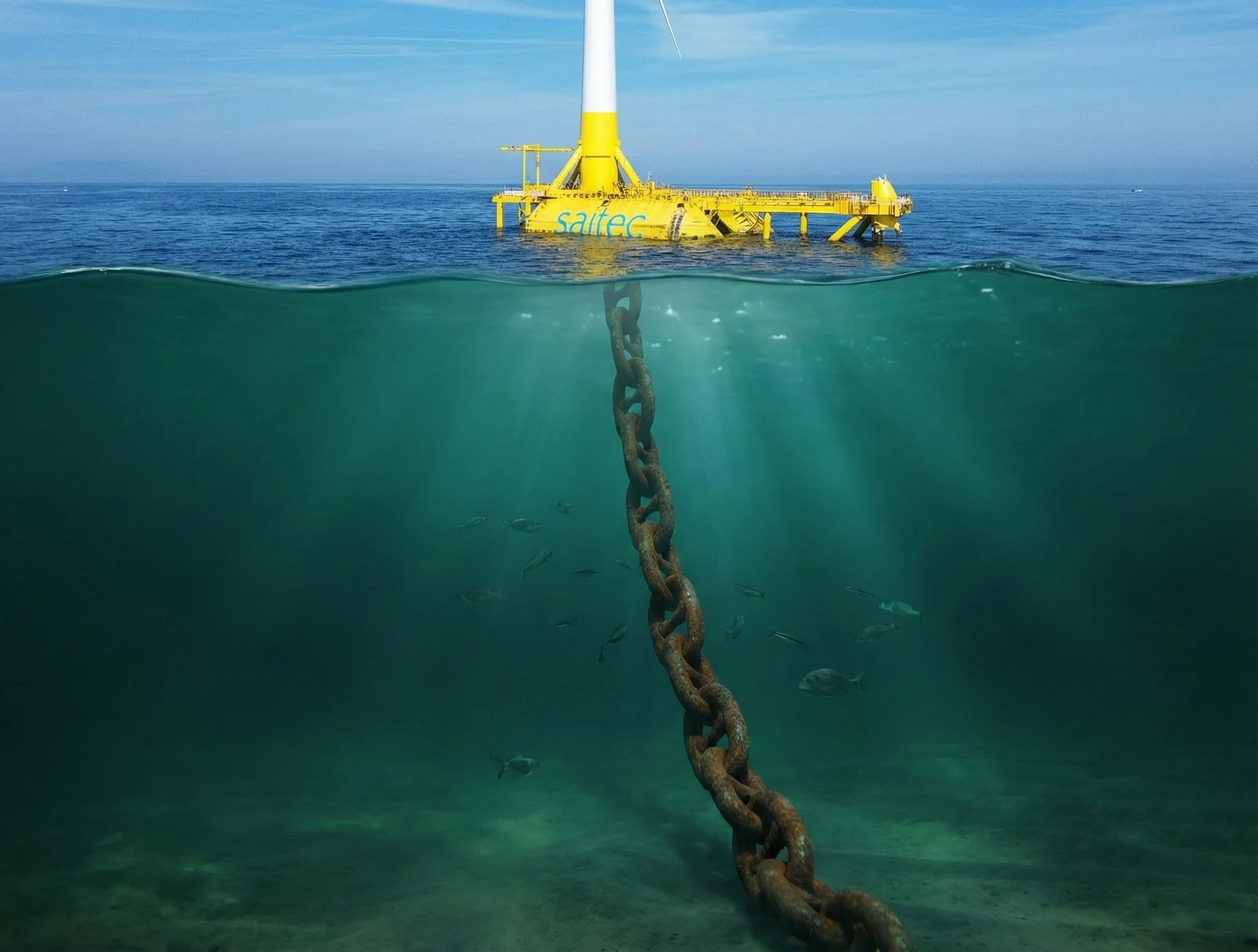
MoorIA uses artificial intelligence to estimate mooring line loads from the floating platform’s movements and detect anomalies.
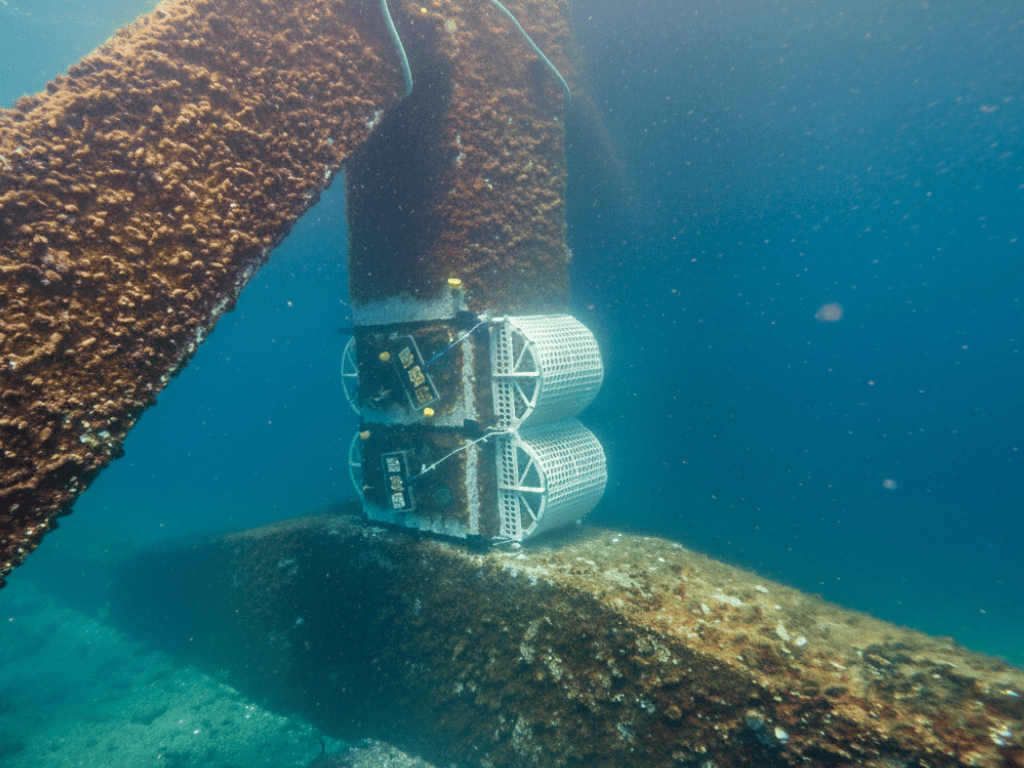
Tests solutions that combine floating wind and marine ecosystem restoration.
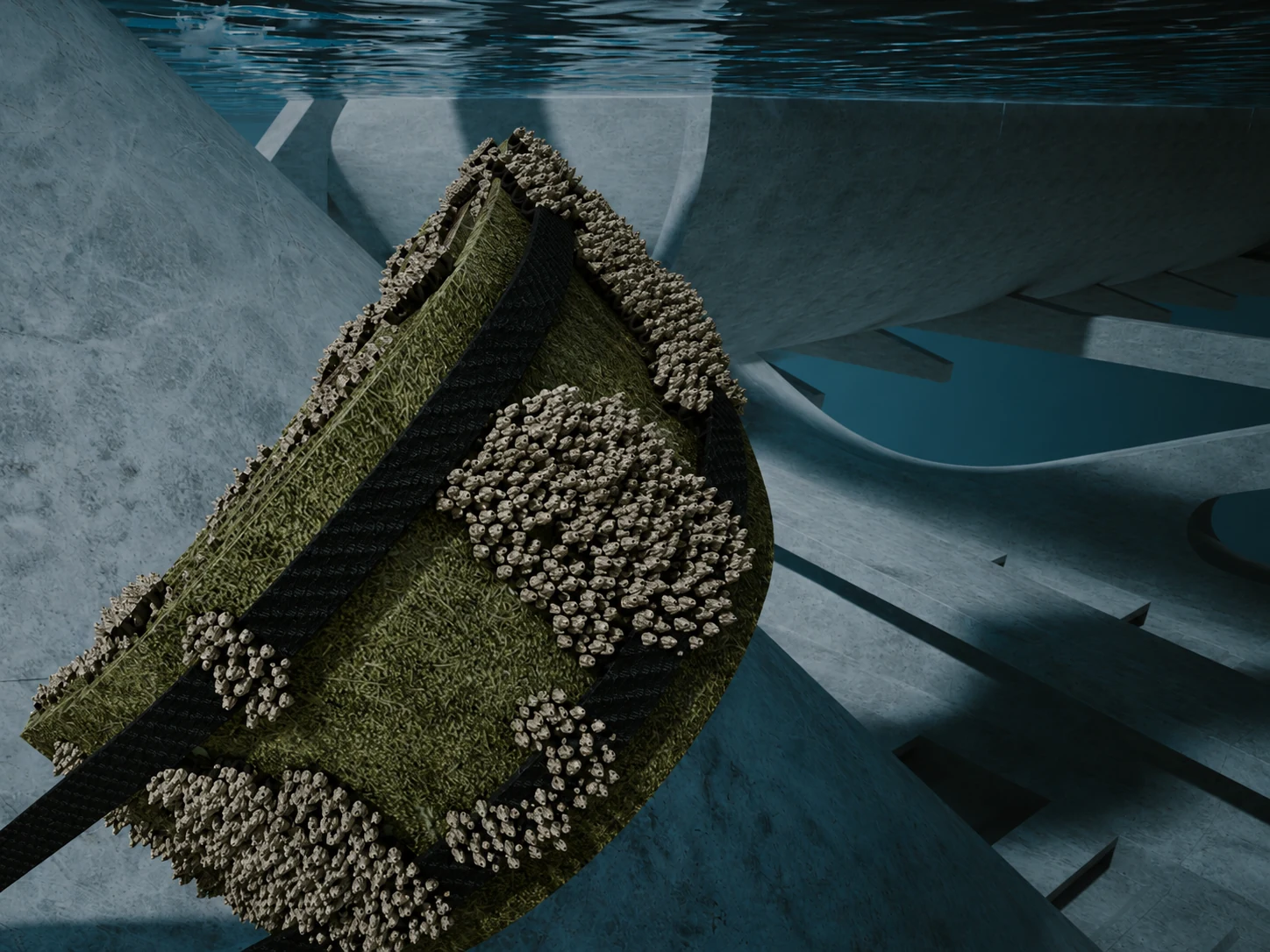
AQUASATH explores how to grow commercially valuable marine species on the SATH floating wind platform and assesses whether sharing infrastructure could reduce costs and emissions.
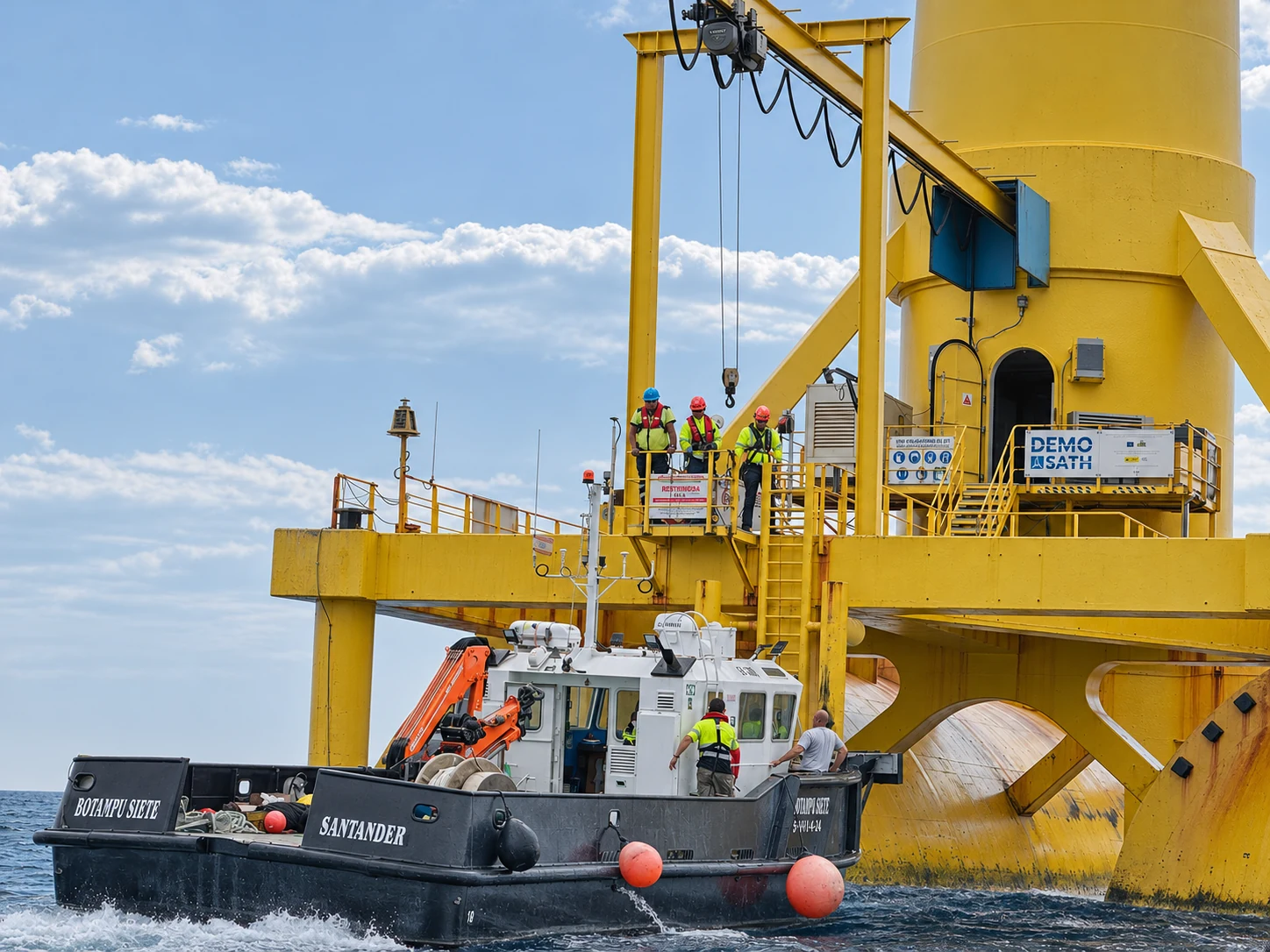
FLOAT&M brings together new technologies to improve the operation and maintenance of floating offshore wind farms and reduce costs.
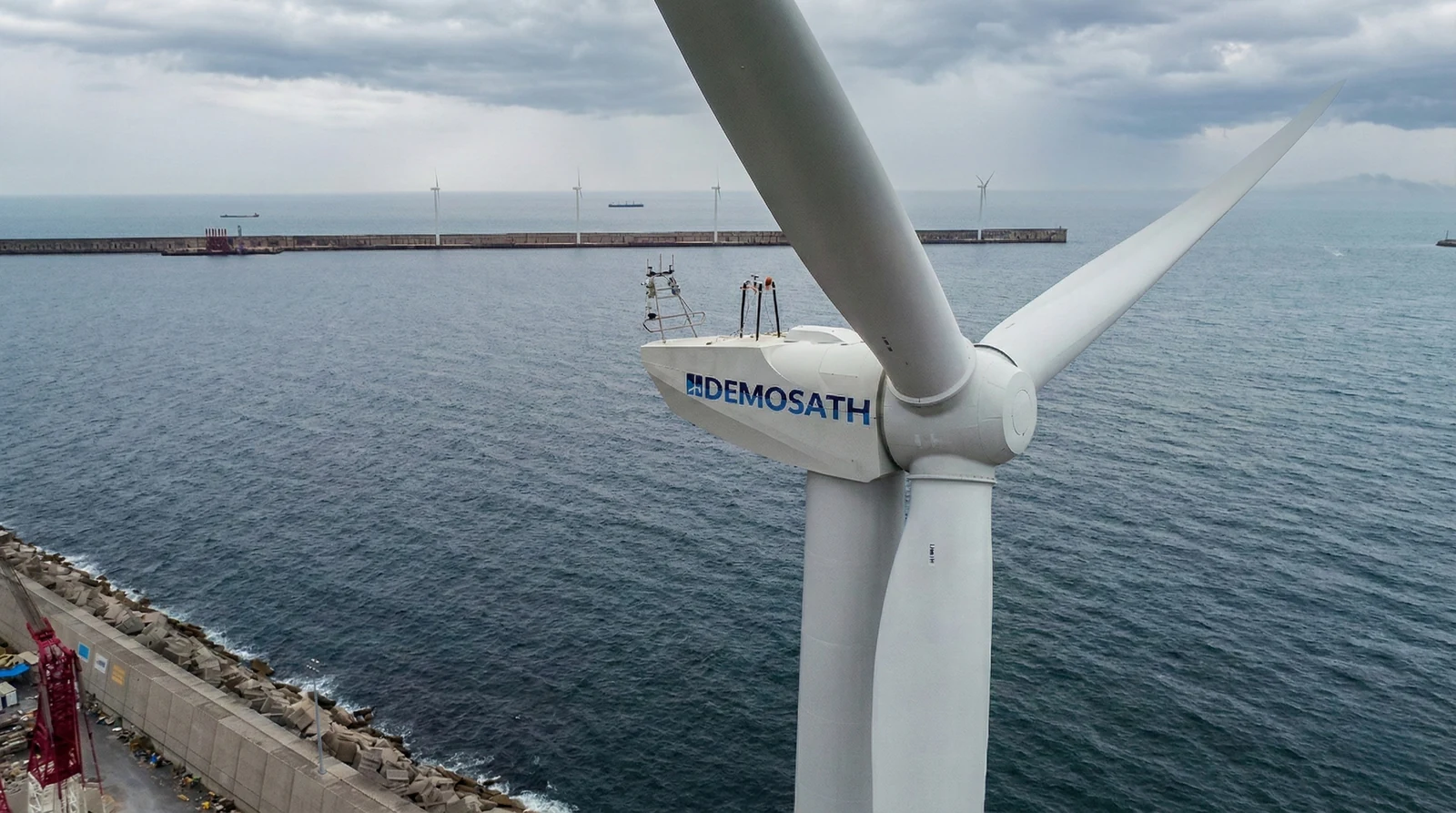
LIDAR-based Intelligent Feedback Turbine Control (CTRL) System Research
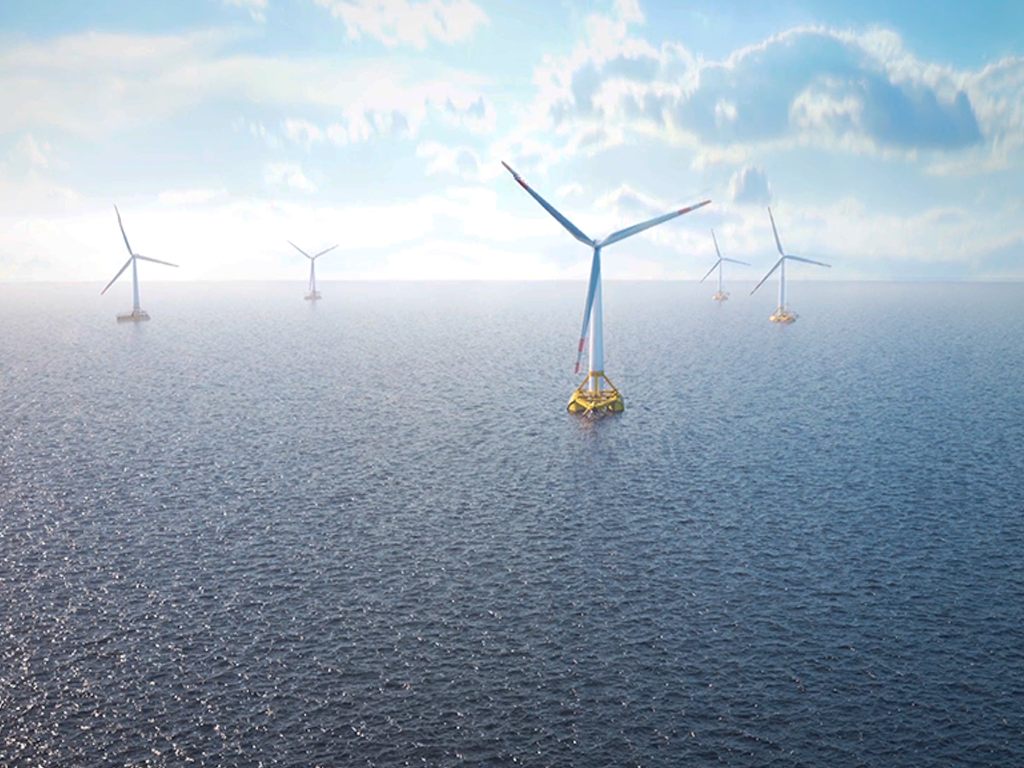
Prepares SATH technology for commercial-scale manufacturing and deployment.

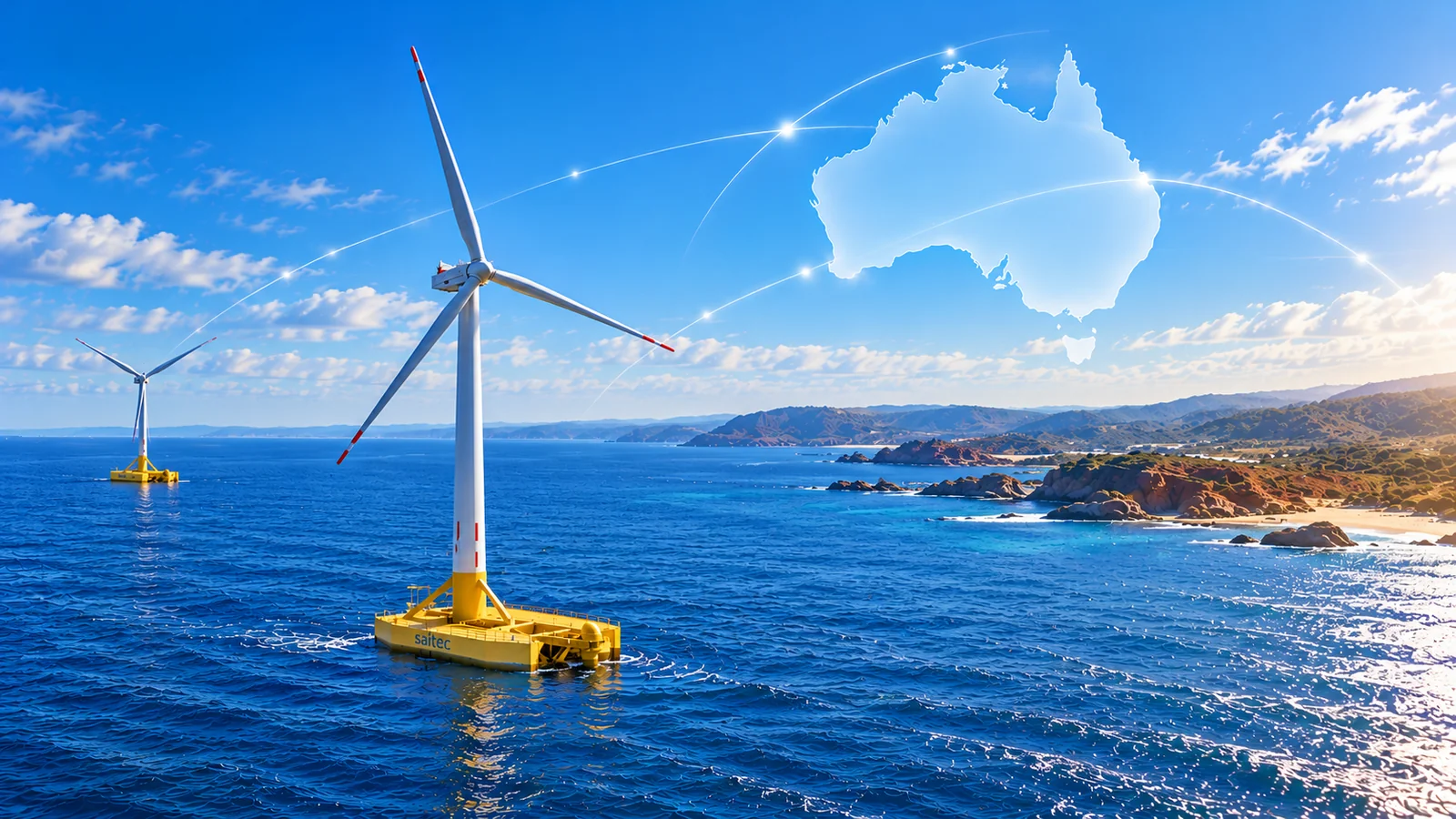
Assesses the feasibility of deploying SATH technology in Australia.