The floating wind turbine has served as a platform for testing an advanced radar and camera system designed to monitor wildlife and activities in the marine environment, as part of the European LIFE IP INTEMARES project.
What if offshore wind could do more than generate clean energy?
Offshore wind infrastructure can also offer new opportunities for collaboration with other sectors involved in the conservation and sustainable management of the marine environment. Its offshore location, operational stability and ability to accommodate monitoring equipment make it a potential host for environmental observation and surveillance technologies.
Against this background, DemoSATH, our floating wind demonstrator operating at BiMEP in Bizkaia since 2023, has been used to test an advanced environmental surveillance system, with the aim of assessing its use for monitoring wildlife and human activities in the marine environment.
Radar and cameras for monitoring marine protected areas
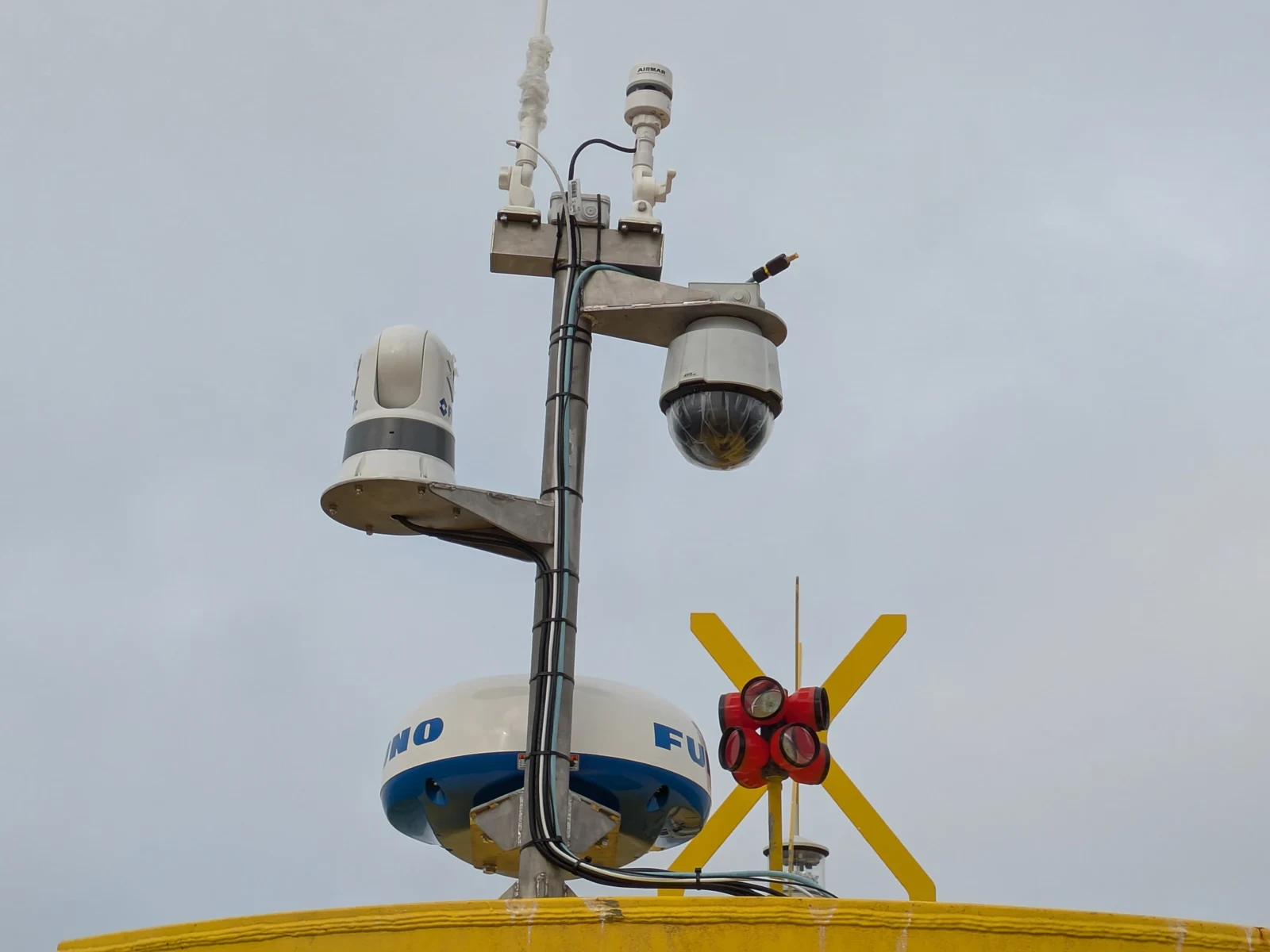
The system tested combines radar technology with IP cameras, including day- and night-vision equipment and thermal cameras, to assess their detection and tracking capabilities under real-world conditions.
The work has focused both on observing wildlife, particularly birds and bats, and on detecting nearby activities, including the presence of vessels, drones and other aircraft.
These technologies may be particularly useful in marine protected areas, where environmental surveillance and monitoring play a fundamental role in conserving habitats and species.
Integrating them into existing marine infrastructure could complement conventional monitoring methods, expand observation capabilities and help identify activities that could affect the environmental features being protected.
A demonstration within LIFE IP INTEMARES
The work forms part of the European LIFE IP INTEMARES project, led by Fundación Biodiversidad of Spain’s Ministry for the Ecological Transition and the Demographic Challenge (MITECO), with the participation of the Directorate-General for Biodiversity, Forests and Desertification.
LIFE IP INTEMARES works towards more effective, innovative and participatory management of marine Natura 2000 sites. Among other activities, it promotes the use of new technologies to improve environmental monitoring and surveillance.
The demonstration at DemoSATH took place within the Ría de Mundaka–Cabo de Ogoño marine area, off the Basque coast.
Following a period of commissioning and operation under real-world conditions, the system’s performance has been evaluated, identifying its capabilities, limitations and potential applications.
Different configurations and technological alternatives have also been analysed to assess how the system could be adapted to different surveillance needs and levels of functional performance.
The knowledge gained will help assess the potential of these solutions as complementary tools for managing and protecting marine areas.
Beyond electricity generation: the potential of multipurpose platforms
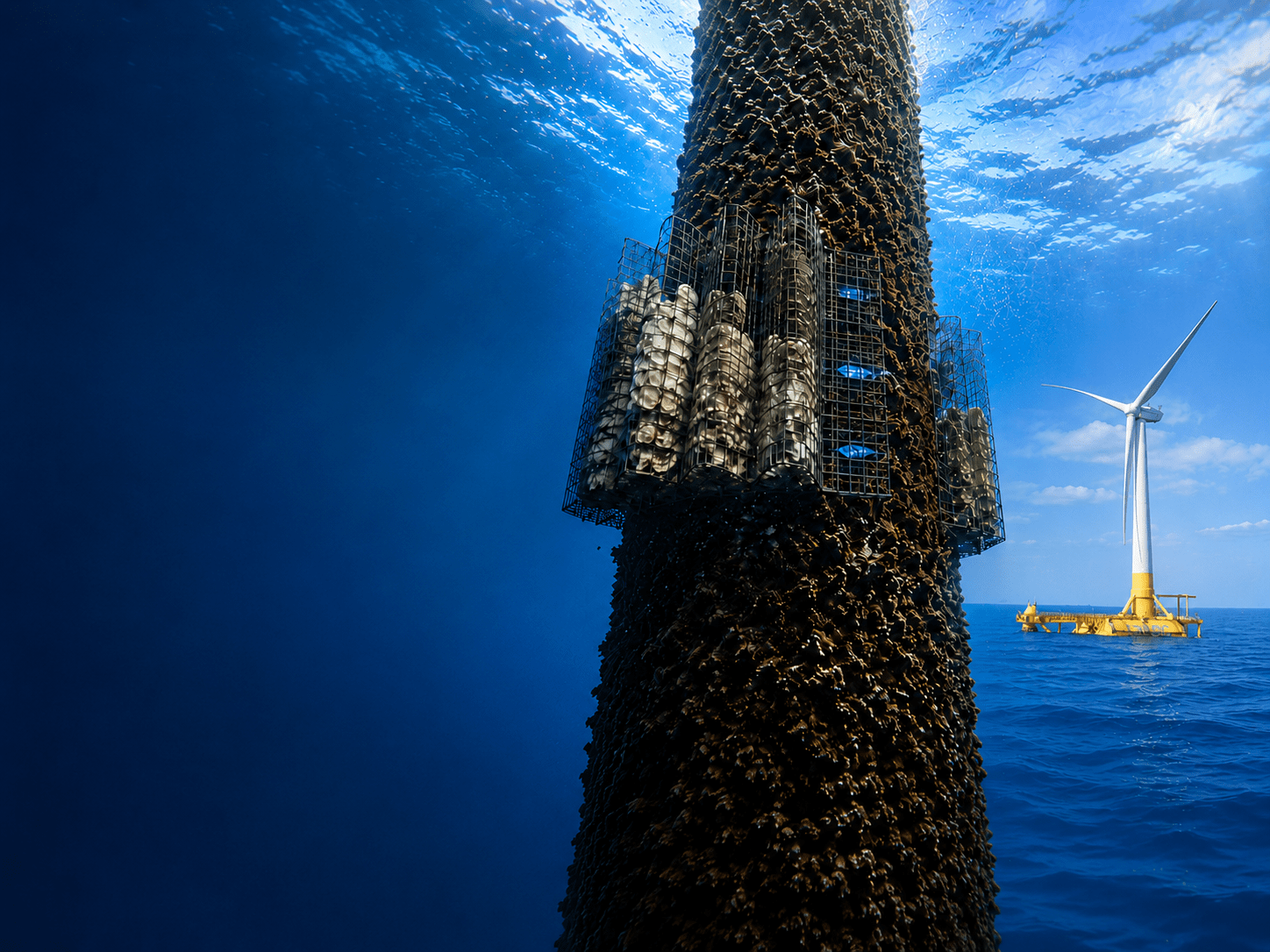
This experience provides further evidence of the potential of SATH technology to fulfil functions beyond renewable energy production.
Using a wind platform to host observation and surveillance systems opens up opportunities for collaboration between the energy industry, research organisations and the authorities responsible for marine conservation.
Integrating these applications into an operating floating wind turbine can support more efficient use of marine space, enabling complementary activities and the collection of environmental information.
This initiative is aligned with the objectives of DemoSATH Lab, our research programme on biodiversity and coexistence at sea, through which we study the interactions between floating offshore wind and its surroundings.