We have joined the External Innovation Commission of Castelló PortLab, the Port Authority of Castellón’s open innovation initiative. It brings together companies from the port, industrial and technology sectors to exchange ideas and explore ways of working together.
The Commission has recently expanded to 28 participating organisations, following the addition of 16 new members. Its programme includes workshops and technical visits where businesses can learn about each other's work, share ideas and identify opportunities for cooperation.
"We want to get to know the innovative companies working around the port, understand what they are developing and see where it makes sense to work together. Castelló PortLab is a good place to start those conversations,"
David Carrascosa, CEO of Saitec Offshore Technologies

From port space to production capacity
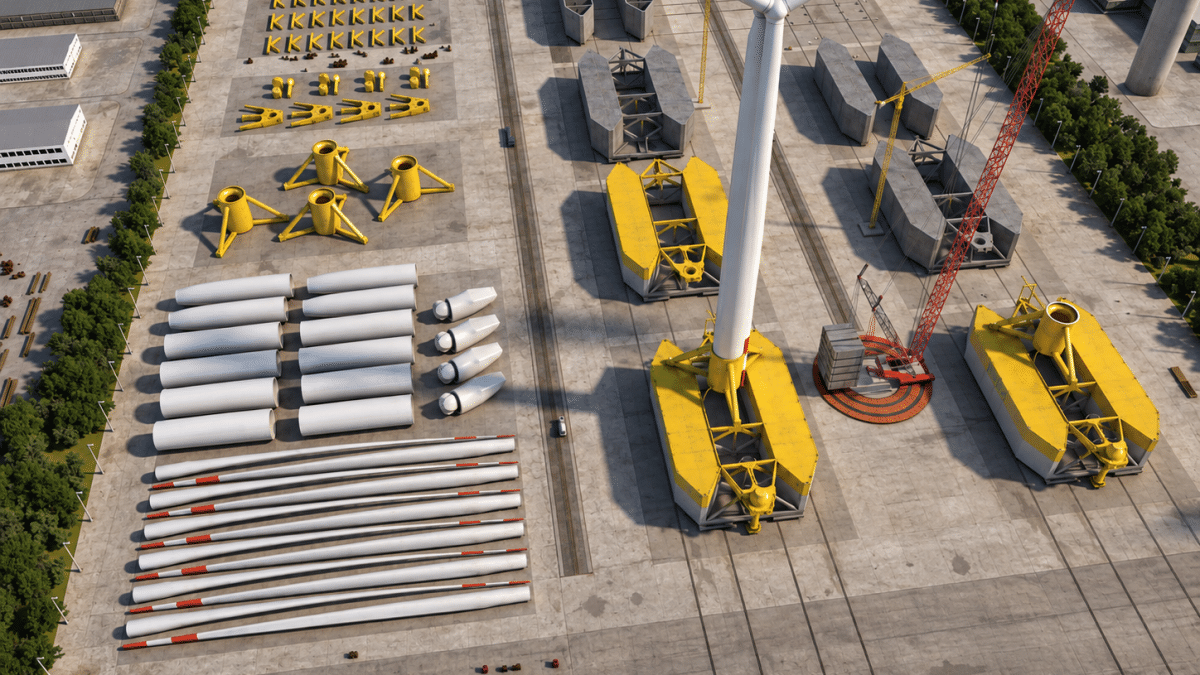
Commercial-scale floating wind brings a very physical challenge: each foundation needs a place to be built, space for equipment and materials, and a clear route through the port to the water. Producing several foundations at once means organising those operations so that one stage of construction does not hold up the next.
ORE Catapult’s Floating Wind Cost Reduction report, published in October 2026, identifies port infrastructure and fabrication capacity as constraints on gigawatt-scale deployment. According to the study, many existing ports are not equipped to handle floating wind production at the scale the industry is targeting. Limited quayside space, insufficient water depth and a lack of suitable handling facilities are among the constraints. Manufacturing yards also face practical limitations, particularly when it comes to finding enough space and workers to operate several production lines at once.
The report also examines what could be gained from changing how foundations are made. For the concrete substructures included in its modelling, advanced manufacturing methods, such as slipforming, prefabrication and automated reinforcement assembly, are associated with a potential average reduction of around 6.8% in the levelised cost of energy (LCOE).
Investment decisions are another part of the problem. GWEC’s October 2026 action plan calls for more reliable project pipelines and earlier investment in port infrastructure, recognising that facilities often have to be prepared long before construction contracts are confirmed.
What this means for SATH and Castellón
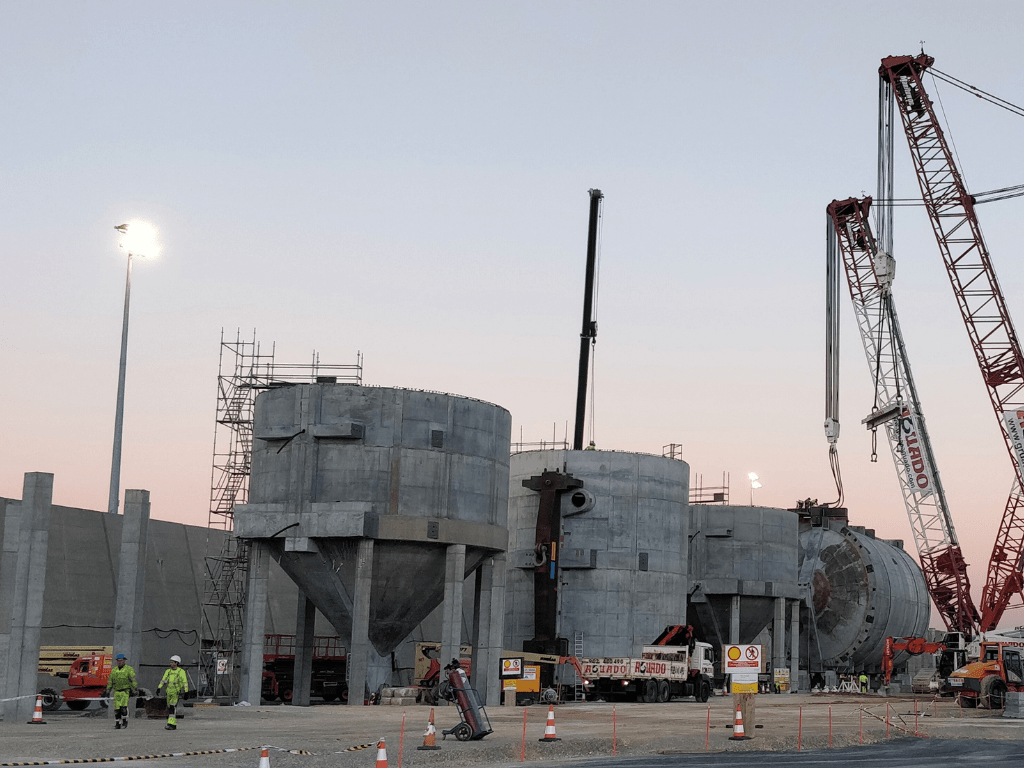
For Saitec Offshore, port requirements have influenced the development of SATH, both in terms of where the platform can be manufactured and how construction can be organised. With approximately 10 metres of water depth sufficient for SATH, a wider range of ports can be considered for manufacturing activities. Its latest design evolution also incorporates continuous concrete casting and adaptable formwork, with a construction sequence intended to reduce complex lifting and tilting operations.
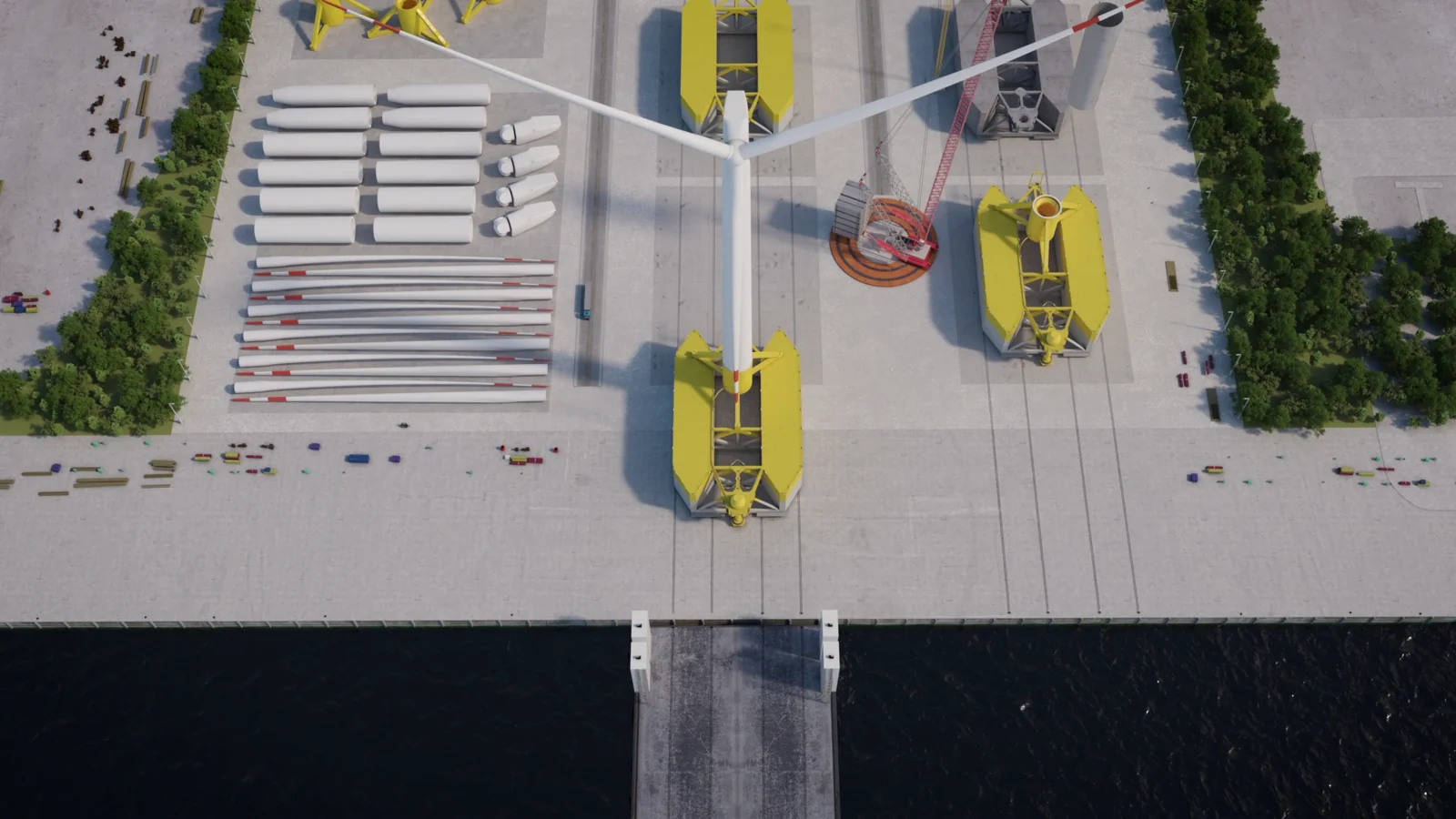
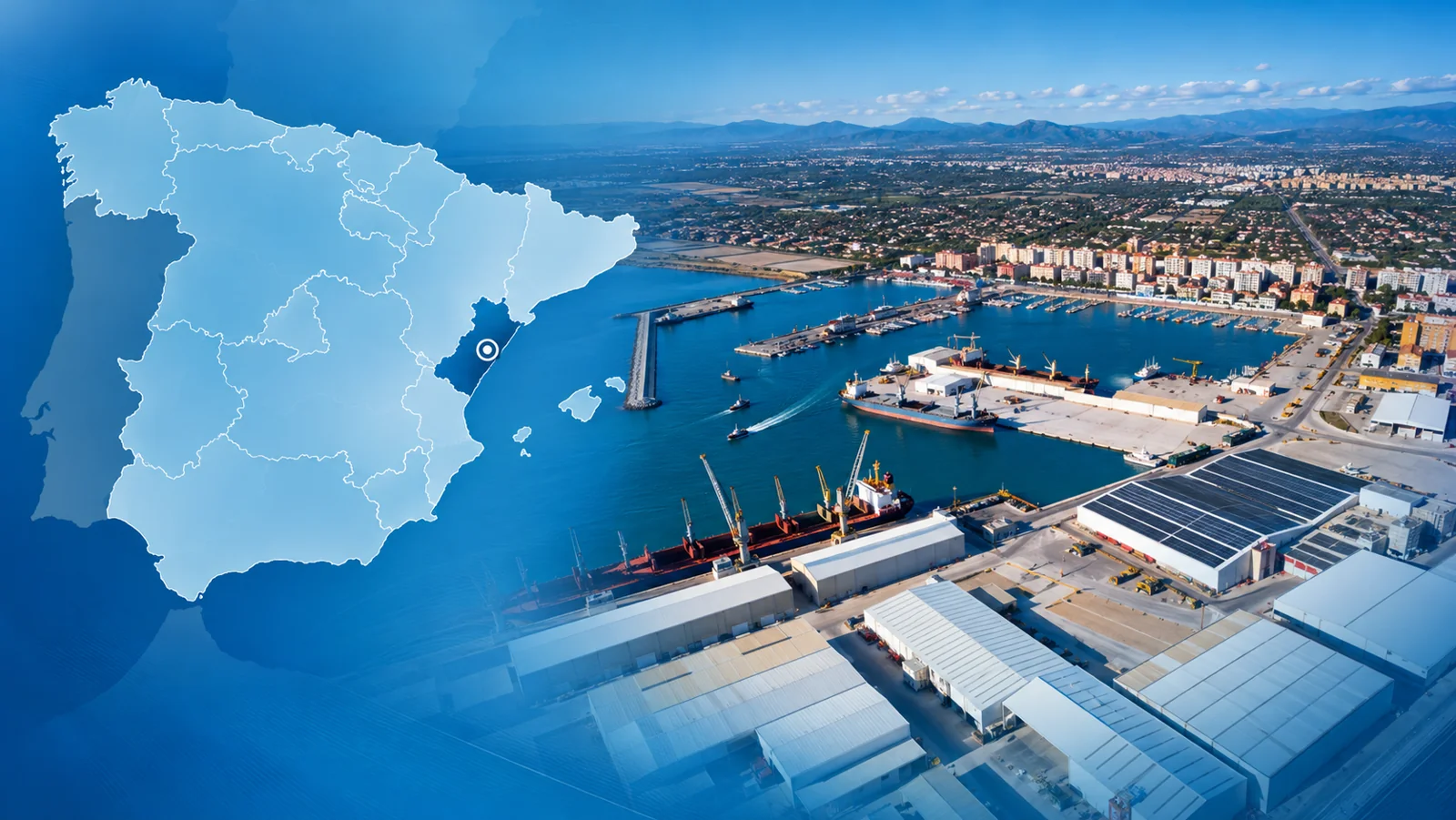
The Port of Castellón is working to establish itself as a manufacturing hub for floating offshore wind in the Mediterranean. In June 2026, the Port Authority secured €50.8 million through the IDAE’s PORT-EOLMAR programme, backed by EU NextGenerationEU funds, to support the expansion of the southern dock. The plans include new industrial areas and quay infrastructure for building, assembling and launching large floating structures.